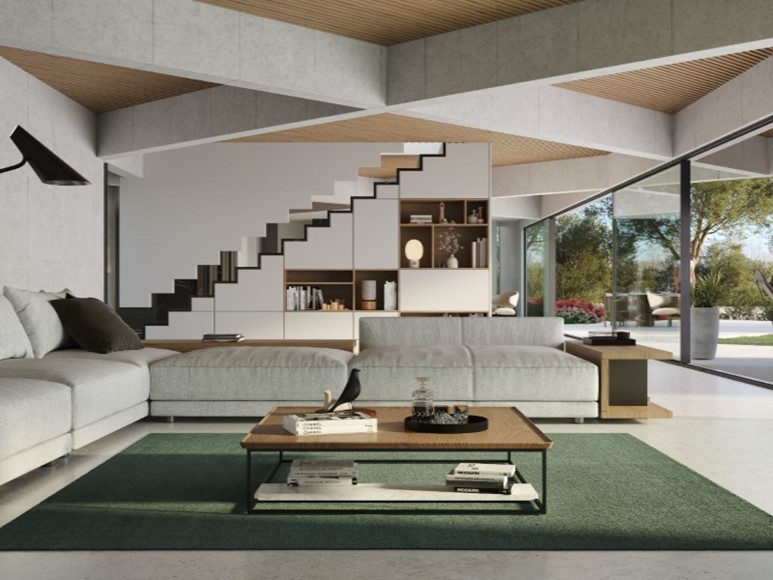

When it comes to buying a home, many buyers focus on size, layout, and location. But two crucial factors that can greatly influence your quality of life and investment potential are the view and orientation of the property. These aspects affect everything from natural light to temperature control to your emotional connection with the space.
The Power of a Good View
A striking view can transform your relationship with your home. Whether it’s a sweeping ocean horizon, lush hills, or even a peaceful courtyard, what you see from your windows matters more than you might think. Views provide aesthetic pleasure, reduce stress, and create a sense of openness, especially in dense urban environments.
Homes with standout views consistently sell faster and for higher prices. According to industry data, properties with sea views or panoramic outlooks can fetch up to 30–50% more than comparable homes without such features. In competitive real estate markets, this can be the edge that sets your home apart.
What to look for:
- Check for unobstructed views from the living room, terrace, and main bedroom.
- Visit the property at different times of day to see how lighting and scenery shift.
- Consider long-term changes: new constructions can block today’s view tomorrow.
On some online portals, you can filter listings by features like balcony, terrace, or waterfront to find homes that offer inspiring views.
Orientation: The Key to Everyday Comfort
Orientation determines how sunlight enters your home and how it behaves throughout the year. A south-facing property in the Northern Hemisphere benefits from more consistent daylight, especially in winter, making rooms brighter and cozier. In warmer regions, you might prioritize eastern or northern exposure to reduce overheating in the afternoon.
Orientation also impacts energy efficiency. Homes that maximize passive solar gain require less artificial lighting and heating. On the flip side, poor orientation can lead to uncomfortable heat, dark interiors, and higher energy costs.
Tips to evaluate orientation:
- Use a compass or smartphone app when visiting a property to determine its orientation.
- Observe which rooms get natural light, and when. Morning sun in the kitchen can be a joy; glaring afternoon sun in the living room, less so.
- Ask about seasonal comfort: Does the home stay cool in summer? Warm in winter?
Beyond Aesthetics: Lifestyle and Resale
Choosing the right view and orientation isn’t just about enjoying the scenery or sunlight. It also affects:
- Mood and productivity: Natural light improves sleep and focus, while a calming view can lower stress levels.
- Privacy: Higher floors or inward-facing courtyards offer visual separation from neighbors.
- Noise levels: Properties facing parks or inner gardens are generally quieter than those on busy streets.
Final Thought: Think Long-Term
Don’t just fall for the kitchen finish or the number of bedrooms. Ask yourself: How will this home feel to live in, day after day, season after season? Orientation and view are two of the most permanent aspects of any property. Unlike furniture or floorplans, you can’t easily change them.
Taking a little extra time to assess these elements will reward you with a home that feels good and functions well, year-round. And when the time comes to sell or rent it out, you’ll be glad you made that choice.