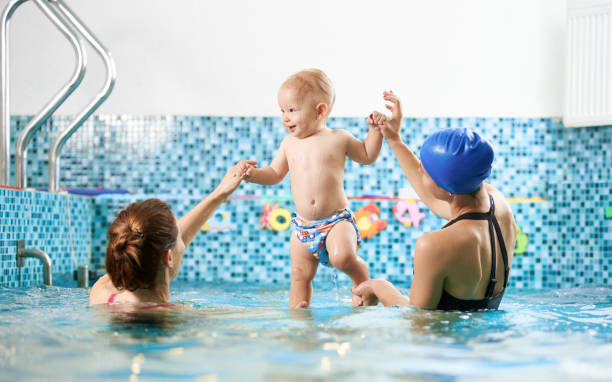

Most parents think of swimming as a simple, carefree activity for their children. Clear water, lifeguards on duty, and a safe environment — it all feels controlled and predictable.
But behind the scenes, pools operate under strict hygiene systems that many people never think about. And when those systems are disrupted, even briefly, the impact can be immediate.
The Hidden Mechanics of Pool Hygiene
Swimming pools are carefully managed ecosystems.
They rely on:
- Filtration systems to remove debris
- Chemicals like chlorine to kill bacteria
- Continuous circulation to keep water clean
While these systems are effective, they are not instant. If contamination occurs, it takes time for the water to return to safe levels.
That’s why prevention is always more important than correction.
What Counts as a “Pool Incident”?
A pool incident usually refers to contamination caused by bodily waste. Even a small amount can lead to:
- Temporary pool closures
- Chemical rebalancing procedures
- Evacuation of swimmers
In many cases, staff must follow strict protocols before reopening the pool, which can disrupt everyone’s experience.
Why Babies Require Extra Consideration
Unlike older children or adults, babies are not toilet trained. This introduces a unique challenge in shared water environments.
Without proper precautions:
- Waste can enter the pool unnoticed
- Contamination spreads quickly in water
- Hygiene risks increase for all swimmers
This is why most public pools and swim schools have clear policies regarding infants in the water.
Prevention Over Reaction
Pool operators don’t rely on cleanup alone — they focus on preventing incidents from happening in the first place.
For parents, this means taking simple but important steps:
- Ensuring babies are changed before entering the water
- Using appropriate swim-specific products
- Taking regular breaks during longer sessions
One of the most common tools used for this purpose is swim nappies, which are designed specifically for aquatic environments.
Why Standard Solutions Don’t Work
It might seem logical to use a regular nappy in the pool, but this often causes more problems than it solves.
In water, standard nappies:
- Absorb large amounts of liquid
- Become heavy and unstable
- Lose their ability to contain effectively
This can increase the risk of leaks rather than prevent them.
Swim-specific alternatives take a different approach by focusing on fit and containment, rather than absorption.
The Chain Reaction of a Single Incident
One small issue in the pool doesn’t stay small for long.
A contamination event can lead to:
- Immediate evacuation of swimmers
- Temporary closure of the facility
- Additional workload for staff
- Disruption for other families
For parents, it often means cutting a session short or dealing with an unexpected situation.
Why Fit and Design Matter More Than You Think
Preventing incidents isn’t just about having the right product — it’s about how well it fits.
An effective swim nappy depends on:
- Secure leg openings
- A snug waistband
- Materials that hold shape in water
Even small gaps can reduce effectiveness, which is why proper sizing and design play a crucial role.
Shared Responsibility in Public Spaces
Swimming pools are shared environments. Everyone using them contributes to maintaining hygiene standards.
For parents with babies, this responsibility includes:
- Being prepared before entering the water
- Monitoring regularly during sessions
- Responding quickly if needed
These actions help ensure a safe and enjoyable experience for everyone.
A Practical Approach for Parents
If you’re planning a swim session with a baby, a few habits can make things smoother:
- Change nappies immediately before swimming
- Limit time in the water to manageable intervals
- Bring spare essentials for quick changes
- Follow pool guidelines carefully
These steps don’t take much effort but can significantly reduce the chances of disruption.
Final Thought
Swimming pools may look simple on the surface, but they depend on careful systems and shared responsibility to stay safe.
Understanding how hygiene works — and what can go wrong — gives you a clearer picture of why certain precautions exist.
And when those precautions are in place, the experience becomes what it should be: calm, enjoyable, and focused entirely on time spent in the water.