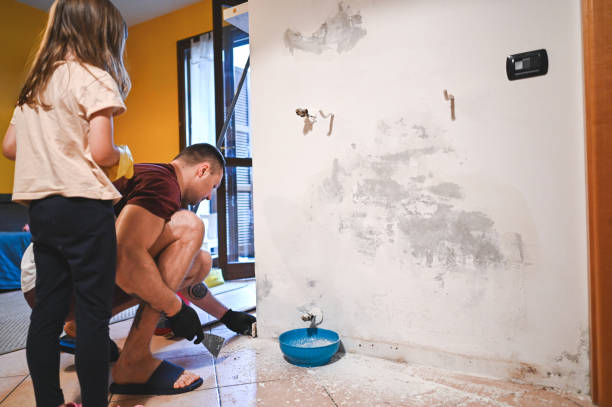
There’s a certain rhythm to life in Florida. Summer brings the humidity, storms roll through with regularity, and by the time fall arrives, you’re finally opening windows again, enjoying drier air, and maybe even planning home improvement projects. But amid all these seasonal transitions, one quiet intruder is often overlooked—mold.
As temperatures drop and homeowners shift from summer mode to cooler-weather routines, mold inspection and testing becomes a powerful, preventive step that too few Floridians prioritize.
Mold Has a Seasonal Personality
Most people assume mold is a summer problem. After all, summer means moisture, and moisture means mold, right?
Not quite.
Here’s what actually happens:
- Summer storms cause water intrusion—roof leaks, pooling near the foundation, or attic condensation.
- Heat-driven AC usage can lead to hidden HVAC moisture buildup.
- Once fall rolls in, the mold that started growing in July is now thriving in silence behind walls, under floors, or in air ducts.
By fall, the problem has matured. And if you’re not actively checking, it may go unnoticed until it starts impacting your health or wallet.
What Makes Fall the Ideal Time?
Here’s why autumn is a smart window for mold inspection and testing:
- Post-storm checkup: Summer storm damage may have gone undetected. A seasonal inspection helps spot the aftermath.
- Reduced indoor airflow: As windows close and the AC runs less frequently, air becomes stagnant—allowing mold spores to concentrate indoors.
- Home projects begin: Many homeowners schedule renovations in fall. Inspecting before demolition can prevent releasing hidden spores into the air.
- Prevent winter headaches: Catching mold in fall avoids major disruptions during the holidays or colder months when remediation is more complicated.
You Can’t Rely on Smell Alone
While musty odors are a red flag, many mold infestations have no scent at all. Some strains are slow-growing and odorless but just as damaging. And in cases where symptoms like sinus irritation or coughing appear, people often attribute them to seasonal allergies rather than an indoor air quality issue.
A professional mold inspection doesn’t guess. It measures airborne spores, inspects high-risk areas with thermal imaging, and samples surfaces for lab testing. It offers clear answers—not assumptions.
A Smart Habit, Not a Scare Tactic
You don’t wait until your brakes fail to check your car, and you don’t wait for a flood to buy insurance. So why wait until mold is visible and symptomatic to test for it?
Regular mold inspection and testing—especially during seasonal transitions—isn’t overkill. It’s common sense, particularly in a climate where moisture and heat cycle constantly.
The Bottom Line
Mold doesn’t care about your calendar. But it does thrive on your routines—unattended corners, slow drips, humid closets. The seasonal shift is an opportunity: a reminder to do a health check on your home’s air, structure, and unseen spaces.
Before you swap out the flip-flops for jackets and light that first pumpkin-scented candle, ask yourself: “What’s been growing behind the walls this summer?”
A quick inspection now could save you weeks of disruption later. Let fall be your cue—not just for sweaters, but for smarter home health habits.