
Overview
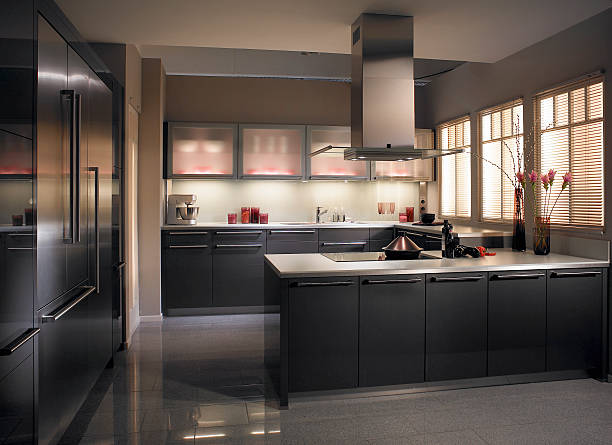
The kitchen has evolved from a strictly practical area to the centre of the house where family members congregate, meals are prepared, and memories are formed in the ever-changing world of home design. Traditional kitchens have been converted into incredibly functional, fashionable, and efficient spaces by the notion of modular kitchen design.
Modular kitchens use prefabricated modules or sections that can be assembled and customised to the user’s specifications, layout, and available space, providing a methodical approach to kitchen planning and installation. This approach improves usefulness and aesthetics while also making the most of available space.
The principles of modular kitchen design, as well as its advantages, common layouts, materials, design advice, and factors to take into account when designing the ideal kitchen for your lifestyle, will all be covered in this comprehensive guide.
A Modular Kitchen: What Is It?
A modular kitchen is one that is constructed using a number of prefabricated components or modules, including shelves, cabinets, drawers, and countertops, all of which are made to fit together perfectly. Modular kitchens are manufactured in a factory and put together at home, in contrast to traditional kitchens that need to be fabricated on location.
To accommodate various kitchen sizes and shapes, these modules can be merged, altered, and repositioned. The strategy integrates ergonomic designs and contemporary technologies with an emphasis on efficiency, organisation, and aesthetics.
Important Elements of a Modular Kitchen
The following components are commonly found in modular kitchens:
Base Cabinets: These house pull-out baskets, gas stoves, and sinks and make up the lower storage units.
Wall Cabinets: These provide extra space for storing dry goods and dishes since they are mounted on walls.
Tall Units/Pantry: Vertical cabinets used to hold larger appliances, such as refrigerators or ovens.
Countertops: Long-lasting work surfaces composed of marble, granite, or quartz.
Accessories: Contains soft-close drawers, spice organisers, cutlery trays, and pull-out racks.
Hardware: Drawer sliders, knobs, and hinges that improve use.
Modular kitchen design benefits include:
1. Effective use of available space
The purpose of modular kitchens is to make the most of every square inch of available space. They provide useful options for clutter-free grocery, cookware, and utensil storage, such as pull-out drawers and corner cabinets with revolving carousels.
2. Personalisation
Modules can be selected according to your kitchen layout, family size, and cooking style. Modular kitchens are quite flexible, allowing you to add extra shelves, more surface space, or particular storage options.
3. Installation That Saves Time
Unlike typical kitchens that need on-site construction, the modules are pre-manufactured, making installation faster and less intrusive.
4. Visual Appeal
With the wide range of designs, colours, finishes, and materials available, modular kitchens allow homeowners to create modern, classic, or hybrid styles.
5. Simple Upkeep
The majority of modular kitchens use materials like solid surface counters and laminated boards that are simple to clean and maintain. Additionally, each equipment may be fixed or replaced separately without affecting the kitchen as a whole.
6. Ergonomics
Ergonomics is incorporated into the modular design to make workspaces efficient, pleasant, and accessible while minimising needless movement and weariness.
Common Designs for Modular Kitchens
Making the correct layout choice is essential for both space optimisation and functionality. Typical modular kitchen designs consist of:
1. A kitchen that is straight
Ideal for cramped or small areas.
Every appliance and cabinet is oriented along a single wall.
Easy to use and small, although it might not have enough storage.
2. Two neighbouring walls are lined with L-shaped kitchen cabinets.
Perfect for medium-sized to tiny rooms.
improves workflow productivity and provides a significant amount of countertop space.
3. Three walls are lined with U-shaped kitchen cabinets.
provides lots of work areas and storage.
encourages a practical work triangle and is appropriate for medium-to-large kitchens.
4. Kitchen Parallel (Galley)
Cabinets with two rows facing one another.
Effective in small areas.
enables two cooks to operate at once.
5. Island Kitchen: Features a countertop or free-standing cabinet in the middle.
offers additional storage, work space, and the possibility of a breakfast bar.
Ideal for spacious, open-concept kitchens.
Components of a Modular Kitchen Design
Maintenance, appearance, and durability are all impacted by material selection.
1. Materials for the Cabinet
Plywood: Perfect for cabinets, it’s sturdy and water-resistant.
Although it is easier to paint and has a smooth surface, medium-density fibreboard (MDF) is not as water-resistant.
Particle board is less resilient to moisture and less expensive.
Solid wood is opulent, long-lasting, costly, and maintenance-intensive.
Cabinets can be finished with laminate, which is stain and scratch resistant.
2. Granite countertops: beautiful, long-lasting, and heat-resistant.
Quartz: It comes in a variety of colours, is non-porous, and requires little upkeep.
Marble: opulent, but porous and in need of sealing.
Corian and other solid surfaces are seamless, easily cleaned, and repairable.
Stainless steel is modern, hygienic, and long-lasting, yet it scratches easily.
3. Fixtures and Hardware
Soft-close drawer slides and hinges: Avoid slamming.
Pull-out shelves: For kitchenware and seasonings.
Integrated faucets and sinks: Stylish and compact.
1. Create a Work Triangle Plan for an Effective Modular Kitchen Design
The refrigerator, stove, and sink are connected by the kitchen work triangle. A well-designed triangle increases efficiency and shortens the walking distance.
2. Make Storage Better
Cabinets that stretch to the ceiling should be placed vertically. For well-organized storage, employ drawer dividers, corner carousels, and pull-out shelves.
3. Lighting
For a light and useful kitchen, combine task lighting over work areas and under cabinets with ambient lighting.
4. Select Sturdy and Cleanable Surfaces
Surfaces in the kitchen are frequently used; choose materials that are resistant to heat, moisture, and stains.
5. Airflow
To keep the kitchen odor-free, make sure there is enough ventilation using exhaust fans or chimneys.
6. Use Contemporary Appliances
For a sleek finish, arrange modules around built-in ovens, microwaves, and dishwashers.
Modular kitchen design trends include: 1. Smart kitchens, which incorporate IoT devices and smart appliances to provide remote control and monitoring of lighting, refrigerators, and ovens.
2. Eco-Friendly Materials
Low-VOC paints, bamboo, and repurposed wood are examples of eco-friendly materials that are becoming more and more popular.
3. Shelving that is open
When closed cabinets and open shelves are combined, the space feels airy and tableware and other decorative things can be displayed.
4. Vibrant Finishes and Colours
Kitchens are embracing dramatic aesthetics in addition to utility, as evidenced by the use of brilliant hues and matte black cabinets.
5. Islands with dual uses
Kitchen islands that can be used as workstations, eating tables, or places to store items.
Cost Factors
The cost of modular kitchens can vary significantly based on factors including size, materials, and personalisation. Typically, expenses consist of:
costs for design and consulting.
Prices for modular units.
fees for installation.
Extra appliances and hardware.
Achieving a balance between style and cost can be facilitated by planning ahead and setting priorities for important components.
Common Errors in Modular Kitchen Design: Ignoring the work triangle and workflow.
packing the kitchen with extraneous modules.
selecting materials that are inappropriate for a kitchen.
inadequate lighting design.
sacrificing storage options.
How to Keep Your Kitchen Modular
Use gentle cleansers to clean countertops every day.
Use moist cloths to clean cabinets; stay away from strong chemicals.
Check drawer sliders and hinges for smooth operation on a regular basis.
Hot pans shouldn’t be set directly on surfaces.
To avoid moisture accumulation, keep the kitchen well-ventilated.
In conclusion
The future of kitchen planning lies in modular kitchen design, which combines functionality, style, and technology. Whether you have a large cooking area or a small apartment kitchen, modular solutions provide flexibility, strength, and aesthetic appeal.
You can build a modular kitchen that is not only a joy to cook in but also a stunning focal point of your house by employing careful design principles and having a thorough understanding of your space, lifestyle, and preferences.