Telling a story, making a room comfortable, and selecting experiences that fit your lifestyle are all important aspects of interior design. The interior design of your home is crucial in determining how you feel and utilise it, regardless of whether you live in a large villa, a small apartment, or a suburban family home.
We’ll go over the fundamentals and subtleties of interior design for your house in this extensive 2000-word book. This article is your comprehensive guide to transforming a house into a home that is practical, fashionable, and uniquely yours, covering everything from layout planning and style themes to colour psychology, furniture selections, lighting techniques, and room-by-room design insights.
1. First, what is interior design for a house?
The art and science of improving a home’s interior to create a more aesthetically beautiful and healthful space is known as interior design. It incorporates elements of colour, lighting, furniture, architecture, décor, and even psychology.
Interior design of a house that works:
Enhances functionality
Increases comfort
reflects who you are.
raises the value of real estate
Enhances your emotional health
2. A Comprehensive Planning Procedure
Effective design starts with methodical planning before deciding on colours and furniture.
a. Identify What You Need
The house is occupied by whom?
What kind of life do you lead? (Work-from-home, minimalist, family-oriented, and entertaining)
Do you have children or pets?
Are there any requirements for accessibility?
b. Planning a Budget
Clearly define the budget’s categories:
Furniture
Flooring
Paint or paper
Lighting
Accessories and Art
Work and remodelling
b. Make a floor layout
To see how rooms flow and where furniture should be placed, use apps or see a designer.
3. Selecting an Interior Design Style for Your Home
Choosing a theme guarantees consistency and directs your decisions. Popular styles include the following:
1. Open areas, simple colour schemes, and modern, clean lines
Materials: lacquered wood, steel, and glass
Colours: black, grey, and white with sporadic accents
2. Modern, constantly changing, and reflecting prevailing trends
Mixed materials, layered textures, and curved lines
Colours: neutral with pops of trendy hues (forest green, terracotta, etc.)
3. Ornate mouldings, symmetry, and traditional classic furniture
Materials: luxurious textiles, cherry wood, and mahogany
Colours: olive, navy, burgundy, and warm neutrals
4. Scandinavian: airy, light, and practical
Materials: wool, natural fibres, and whitewashed wood
Pastel colours, subdued greys, and whites
5. Brick, concrete, and metal exposed in industrial settings
Open plans and sparse furniture
Colours: raw wood tones, rust, and charcoal
6. Bohemian eclectic, laid-back, and inspired by the world
Vintage finds, plants, and layered textiles
Jewel tones, earthy neutrals, and patterns are among the colours.
7. Farmhouse/Rustic
Comfortable, rustic-inspired
Vintage lights, wrought iron, and reclaimed wood
Colours: sage green, creams, and warm browns
Tip: For a distinctive, customised look, try combining different styles, such modern-boho or rustic-industrial.
4. The Psychology of Colour in Interior Design
A room’s emotional tone is determined by its colour.
Warm Colours: Red is energising and works well for accent walls or eating areas.
Orange: Friendly, frequently utilised in social settings
Yellow: Upbeat, ideal for hallways and kitchens
Cool Colours: Blue is soothing and perfect for bathrooms and bedrooms.
Green: Fresh and well-balanced, ideal for living areas
Purple: opulent and perfect for a dramatic look
Neutrals: White: tidy, roomy
Grey: Adaptable and sophisticated
Beige: A base that is neutral and warm
Apply the 60-30-10 rule: 10% accent, 30% secondary, and 60% primary colour.
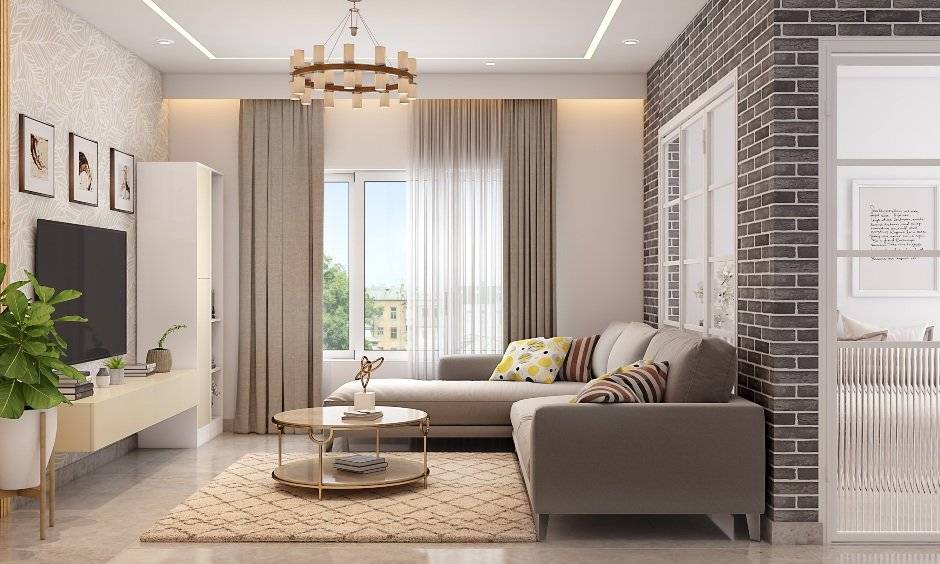
5. Interior Design Guide, Room by Room a. Living Room
It is the centre of the house and strikes a balance between social engagement and comfort.
Important Advice:
Make use of a focal point (chandelier, artwork, or sofa).
Ambient, task, and accent lighting layers
Use cushions, throws, and rugs to add texture.
Select a layout that centres on the TV, fireplace, and window.
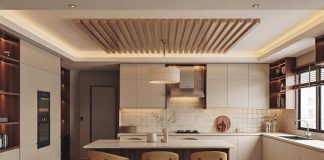
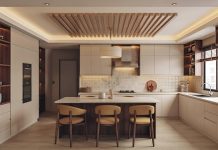
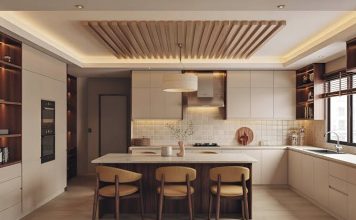
b. Kitchen
Contemporary kitchens are multipurpose spaces where people may cook, socialise, and even work.
Essentials of Design:
The work triangle: refrigerator, stove, and sink in close proximity
Useful storage options include wall racks, cabinets, and drawers.
Easy-to-clean materials include tile backsplashes and quartz countertops.
Task illumination with under-cabinet lights
c. Dining Room: The dining area should be warm and inviting, whether it is formal or informal.
Concepts:
Above the table, use pendant lighting.
Add a striking focal point, such as a sculpture, vase, or chandelier.
For personality, mix seating with benches and upholstered chairs.
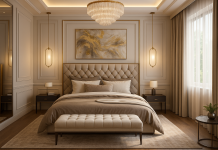
d. Bedroom
Your own haven, where you may relax and be alone.
Essentials:
Invest in blackout curtains and a good mattress.
Keep colour palettes soothing and gentle.
Use throws, pillows, and bed linens to create layers.
Think about adding a reading nook and bedroom illumination.
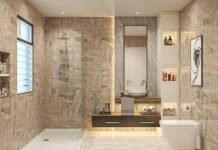
g. Bathroom Combine functionality and style in this area for self-care.
Advice:
Vanities positioned on walls conserve space.
To provide the impression of more space, use huge mirrors.
Install accent, ceiling, and vanity lighting in layers.
For a neat appearance, choose matching tiles and fixtures.
f. Home offices should increase productivity without compromising design.
Design Essentials:
Natural light coming from a window
A well-organized desk and an ergonomic chair
For acoustic comfort, use cosy rugs or soundproofing.
Make use of soothing hues like pastel blue, taupe, or sage.
f. The entrance
Initial impressions count. The atmosphere of your house should be established by its foyer.
Advice:
Add a mirror-equipped console table.
Use shelves or baskets for mail, shoes, and keys.
For utility, add a coat rack and a rug.
6. Tips for Furniture and Layout
A room may be made both cosy and functional with the correct furniture.
Prior to purchasing, measure
Before making a significant purchase, always measure the room.
Equilibrium Proportions
Match thin chairs with delicate side tables and broad sofas with massive coffee tables.
Think about multipurpose ottomans for furniture storage.
Foldable tables
Guest room sofa beds
Give yourself some breathing room.
Steer clear of congestion. Walkways should be at least 30 to 36 inches wide.
7. Interior Design Lighting
One of the most influential design elements is lighting.
Lighting Types:
General illumination (ceiling lights) is ambient.
Task: For certain pursuits (cooking, reading)
Accent: Draws attention to architectural or artistic aspects
Lighting Tips: Modify the ambience with dimmers
For flexibility, layer various kinds.
For comfort, use warm light; for places that require concentration, use cool light.
8. Decor and Accessories Accessories add character and completion to a space.
Artwork
Display artwork or family portraits on gallery walls.
For minimalist styles, think about using huge canvas art.
Mirrors enlarge space and reflect light.
Try using vintage frames and unusual shapes.
Plants
Give life and make the air cleaner.
Simple choices include peace lily, pothos, and snake plant.
Textiles To add comfort and colour, use curtains, rugs, and throws.
9. Arrangement and Storage
A place free of clutter improves the clarity of the design.
Integrated Storage: Personalised closets
Drawers beneath the bed
Cabinets for staircases
Basket-equipped bookshelves are freestanding options.
Drawer-equipped console tables
Systems for modular wardrobes
Make use of vertical space with tall cabinets, floating shelves, and wall hooks.
10. Eco-Friendly Interior Design
Eco-friendly decisions are fashionable and wise.
Green Design Advice: Make use of organic materials like bamboo, cork, and jute.
Choose appliances and lighting that use less energy.
Reuse and recycle furniture.
VOC-free adhesives and paints
11. Low-Cost Design Concepts
Investing heavily in interior design is not necessary.
Cost-cutting techniques include do-it-yourself paint or wallpaper.
Mix expensive and inexpensive items.
Repurpose or thrift vintage items.
Spend more on places with the biggest impact: lighting, couches, and statement walls.
12. Collaborating with Experts
You don’t have to handle everything by yourself.
Who Is Able to Help?
Interior designers: Complete assistance from design to decoration
Interior decorators: Assist with aesthetics and styling
Contractors: Manage building and remodelling
How to Pick: Examine reviews and portfolios
Make the scope, budget, and schedules clear.
Make sure contracts are clear.
In conclusion, creating a house that feels like you involves more than just occupying a room; it also entails purposefully influencing how you live there. Your home should reflect your values, improve your lifestyle, and provide a haven from the outside world, regardless of your preference for cosy eclectic charm or crisp modernism.