
Overview
A home garden is a haven where you may unwind, get in touch with nature, and improve the aesthetics of your living area. Selecting the appropriate plants may turn your space into a colourful, lush haven, regardless of how big or tiny your backyard is. But the secret to keeping your garden flourishing is choosing plants that fit your soil, climate, and way of life.
The greatest plants for home gardens are examined in this book, including indoor and outdoor kinds, floral plants, shrubs, herbs, and veggies. In order to help you construct a beautiful yet manageable garden, we will go over plant traits, maintenance needs, and design advice.
What Makes the Correct Plant Selection for Your Home Garden Important?
Climate Compatibility: Plants that grow well in your area require less work.
Maintenance Level: While some plants thrive with little care, others require regular attention.
Use of Space: Select plants that complement the size and design of your garden.
Goal: Are you searching for food plants, flowers, or privacy-enhancing greenery?
Aesthetic Appeal: Plants provide your yard structure, colour, and texture.
Health Benefits: Fresh vegetables and better air quality are two benefits of many plants.
Plant Types for Home Gardens
1. Blooming Plants Blooming plants draw pollinators like bees and butterflies and give colour and smell.
Roses are timeless classics that come in a myriad of types; they need frequent sunlight and pruning.
Marigolds: Ideal for borders, they are resilient, colourful, and pest-resistant.
Bright and long-blooming, petunias are good for hanging baskets and containers.
In addition to being drought-tolerant and fragrant, lavender is an excellent pollinator attractor.
Sunflowers are a great addition to children’s gardens since they are tall, happy, and simple to grow.
Zinnias: Vibrant annuals that grow quickly.
Hibiscus: Warm-weather-loving tropical blooms.
2. Bushes and Shrubs
Shrubs offer year-round greenery, privacy, and structure.
Boxwood: Evergreen plants that are dense and ideal for hedges.
Hydrangeas: Huge flower clusters whose hues vary according to the pH of the soil.
Azaleas: Brightly coloured springtime bloomers.
Gardenia: Shiny foliage and fragrant white blooms.
Lilac: Beautiful spring blossoms, fragrant, and simple to grow.
3. Herbs
In addition to being useful and aesthetically pleasing, herbs provide new scents and tastes.
A staple in many cuisines, basil thrives in warm, sunny environments.
Mint: A hardy plant that thrives in pots to prevent spreading.
Rosemary: drought-resistant, aromatic, and woody.
Thyme is a hardy, low-growing plant that works well in rock gardens and borders.
Cilantro: A culinary herb that grows quickly.
Parsley: A biennial herb that thrives in cooler climates.
4. Fruits and Vegetables
Producing your own food is sustainable and fulfilling.
Sunlight and staking are necessary for tomatoes, which come in a variety of flavours.
Lettuce: Perfect for small places, it grows quickly.
Peppers: Warm weather is ideal for bell and chilli peppers.
Carrots are root vegetables that do best in sandy, loose soil.
Strawberries are small and fruitful when stored in containers.
Green beans: Trellis-suitable climbing plants.
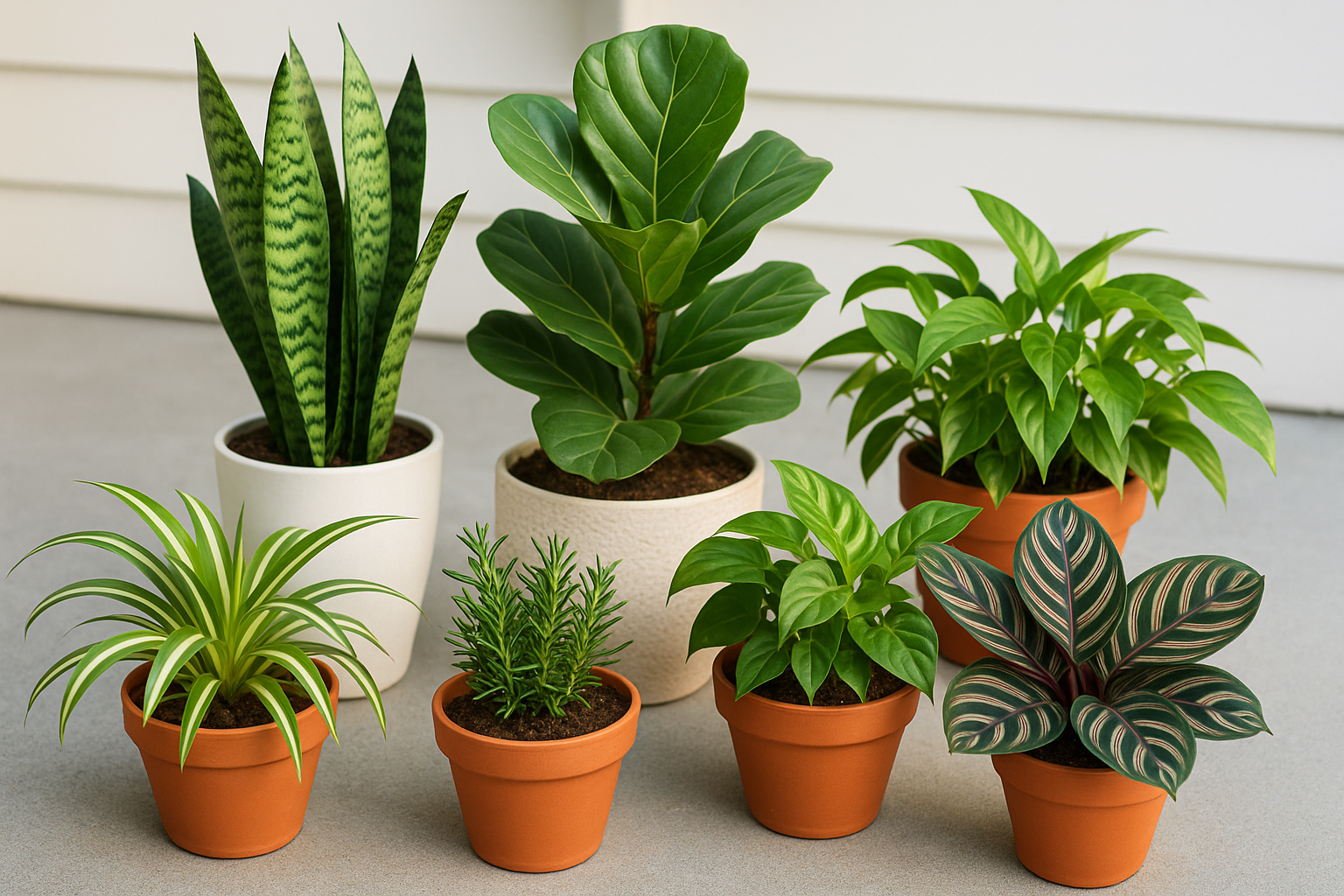
5. Indoor flora
Indoor plants improve indoor air quality and give places more greenery.
Sansevieria, or snake plants, are hardy and low-maintenance.
Spider Plant: Excellent for air purification and hanging baskets.
Peace Lily: Beautiful white blooms that do well in dim light.
Philodendron: Easy to maintain, with a variety of leaf shapes.
Cacti and succulents: They come in a variety of shapes and need very little water.
Leaf Fiddle Fig: Eye-catching and trendy, yet requires intense light.
Top Plants for Various Garden Situations
1. Sunny Garden Plants
At least six hours of direct sunshine are necessary for sun-loving plants.
Roses, marigolds, tomatoes, sunflowers, and lavender are a few examples.
2. Shade Garden Plants
Benefit from less direct sunlight.
Examples include hydrangeas, impatiens, hostas, and ferns.
3. Plants That Can Handle Drought
Perfect for places with limited water or dryness.
Examples include sedum, lavender, rosemary, and succulents.
4. Plants for Balconies or Small Gardens
plants that grow vertically or compactly.
Examples include succulents, petunias, dwarf tomatoes, and herbs like mint and basil.
Crucial Advice for Plant Selection
Recognise Your Zone: Recognise your local climatic categorisation or USDA Hardiness Zone.
To choose the right plants, test the pH and nutrients of the soil.
Growth Habits: Take into account the rate of growth and mature size.
Maintenance Requirements: Determine how much time you have available for fertilisation, pruning, and watering.
Select pest-resistant cultivars to cut down on the use of chemicals.
Plant Companions: While some plants deter pests, others grow better when grown together.
How to Take Care of Plants in Your Home Garden
1. Watering To promote deep roots, most plants require deep, infrequent watering.
Steer clear of overhead irrigation to prevent fungal infections.
Mulch aids with moisture retention.
2. Fertilisation and Soil
Add organic materials or compost to the soil to improve it.
For edible or flowering plants, use fertilisers with specific compositions or that are balanced.
Refrain from overfertilizing since this might harm plants.
3. Deadheading and pruning
Eliminate any sick or dead components.
To promote new blooms, deadhead wasted flowers.
Plants can be shaped to increase light penetration and airflow.
4. Management of Disease and Pests
Examine frequently.
Make use of natural solutions such as insecticidal soap or neem oil.
Promote helpful insects like ladybirds.
5. Temperature and Sunlight
Keep an eye on your exposure to sunshine.
In extremely hot weather, provide shade cloths.
Keep chilly drafts and frost away from delicate plants.
Creating a Plant-Based Home Garden Design
1. Plant Layering
As a backdrop, use tall plants.
In the centre are plants of medium height.
Low-growing plants or ground coverings in front.
2. Colour palettes
Select colours that contrast or work well together.
Seasonal flowers offer interest all year long.
3. Form and Texture
Mix plants with varying leaf sizes and shapes.
Combine foliage and blooming plants.
4. Gardening in containers
If you have little space, use pots.
Containers should be grouped for visual effect.
Make sure the drainage is adequate.
5. Gardening vertically
Make use of wall-mounted planters or trellises.
Grow climbing plants, such as morning glory or beans.
Basil, rosemary, thyme, mint, and parsley are common plant combinations for home gardens and herb gardens.
Sunflowers, marigolds, zinnias, and lavender make up a pollinator garden.
Shade Garden: Begonias, impatiens, hostas, and ferns.
Edible Garden: Strawberries, lettuce, carrots, tomatoes, and peppers.
Aloe vera, echeveria, jade plant, and sedum make up this succulent arrangement.
Guide to Seasonal Planting
Plant cool-season crops in the spring, such as pansies, peas, and lettuce.
Summer: Marigolds, tomatoes, and sunflowers are examples of warm-weather vegetation.
Fall: Chrysanthemums and root crops.
Winter: Cold-hardy plants in milder climates or indoor plants.
Benefits of Home Gardening: Enhances both physical and mental well-being.
enhances the quality of the air and supplies fresh air.
provides fresh vegetables and herbs.
promotes beneficial insects and wildlife such as birds.
increases the value of real estate.
Solving Typical Gardening Problems
Yellow leaves are frequently an indication of a nutritional shortage or over irrigation.
Wilting plants could be a sign of root issues or underwatering.
Infestations of pests: Check for webs, sticky residue, or holes.
Poor Blooming: Look for an imbalance in fertiliser or too little sunlight.
In conclusion
Your home garden’s plant selection is influenced by your climate, space, and personal tastes. You may create a garden that is both aesthetically pleasing and functional with the assortment of floral plants, shrubs, herbs, veggies, and indoor greens that are available.
Keep in mind that gardening is an enjoyable and educational endeavour. Begin with low-maintenance plants, track their development, and then progressively enlarge your collection. Making the correct decisions and taking the right care of your garden will pay off in the form of a thriving space that provides you with fresh produce, happiness, and beauty all year long.