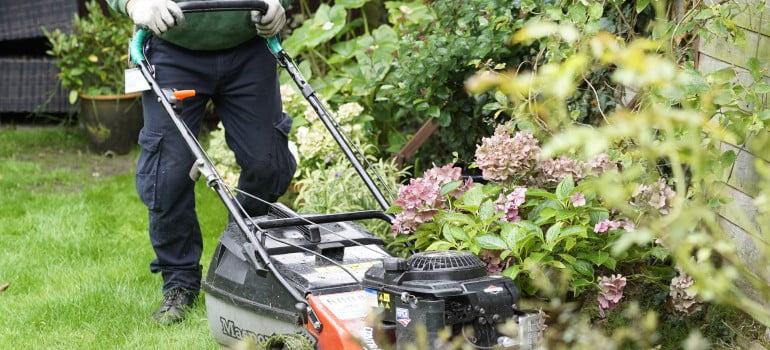

If you’re reading this, chances are you’re wondering how to maintain a pristine lawn, one that stands out for all the right reasons. When it comes to the work involved, though, it can quickly start to feel a little overwhelming.
You’re certainly not alone in that. Most people dream of having an immaculate yard but aren’t quite sure where to begin. Don’t worry, we’ve got you covered.
In this article, we’ll share straightforward yet effective tips to help you achieve and maintain a beautifully manicured lawn.
Safety First
A little planning will save you a lot of hassle later on. Your first step should be to gather your protective gear.
You’ll need gloves, goggles, and, of course, earmuffs. These will shield you from any flying rocks or debris that could cause serious injury.
You also need to inspect the space first. Remove any obstacles on the ground beforehand to minimise the risk of equipment damage and ensure a smooth mowing process.
The Right Mower
It all begins with picking the right mower. The best option for you depends on the size of your yard, your budget, and how much effort you’re willing to invest.
Depending on these factors, you can choose between manual or electric mowers. The former are suitable for small-sized lawns and usually come at a lower price.
They’re also the more environmentally-friendly choice, as they utilise no fuel and produce no harmful emissions. Plus, they’ll give you a solid workout, so you may not even have to hit the gym that day!
As for battery-powered models, these are a lot easier and faster to use, which makes them a better fit for expansive lawns. However, this enhanced efficacy comes with a higher price tag, so keep that in mind when setting your budget.
When to Mow Your Lawn
There’s no strict rule for how often you should mow your lawn, but it’s usually best to cut it every 2-3 weeks.
This depends on various factors, including the type of grass you have. Some varieties grow faster than others.
For example, ryegrass and fescue should be mowed from late spring through early fall. Since they thrive in cooler conditions, this schedule keeps them healthy during their peak growing season, before the blazing summer heat sets in.
Additionally, your soil’s fertility level and local drought conditions influence the grass’s growth rates—and, in turn, how often you’ll need to mow it.
You see, rich, nutrient-dense soil encourages faster growth, while dry spells can slow it down significantly.
Weather conditions also play a key role here. It’s generally recommended to mow your lawn between 8 and 10 am, when the morning dew has mostly dried up but the temperatures are still relatively cool.
This helps minimise stress on the turf and reduces the risk of fungal diseases caused by damp clippings.
Plus, mowing dewy or wet grass can cause clumping, which may clog the chute or impair the blades’ movement.
Blade Maintenance
The sharper the blades, the neater the finish. Sharp blades cut more precisely, require less effort, and help reduce fuel consumption. So, check and maintain them regularly to ensure a clean, even cut every time.
Conversely, dull blades take a lot longer to get the job done and are far less efficient. Instead of making smooth cuts, they tear and shred the grass, resulting in jagged, stair-like edges.
This added trauma stresses the turf and creates an ideal environment for diseases and pests to spread.
The One-Third Rule
The grass’s length can significantly impact its health and appearance. The general rule is to cut around one-third of its height, though this can vary depending on the grass type and season.
Avoid cutting too much at once. Otherwise, your turf may end up looking patchy and unhealthy.
Letting the grass grow too long between mows can be just as harmful. It creates the perfect hiding spots for pests and rodents, which is the last thing you want when you’re trying to maintain a pristine yard.
So, stick to the one-third rule and cut the grass regularly. This way, your turf will ward off pests more effectively, reducing the need for pesticides. You can even use the clippings to fertilise your lawn naturally.
Patterns
Rather than moving randomly, it’s best to choose a pattern and stick to it each time. This way, you can maintain consistency, symmetry, and a professional-looking finish.
There are various patterns to choose from. Your decision will ultimately depend on your personal preferences, lawn size, and how much time you’re willing to invest. Just bear in mind that some designs are more time-consuming and complicated than others.
One of the simplest and most visually appealing options out there is lawn striping. It’s relatively easy to achieve, creates a striking contrast, and even helps disguise bald spots. Plus, it works well on lawns of all sizes.
There’s also the checkerboard pattern, which is typically used on large lawns. The circular pattern, on the other hand, works especially well for round lawns or the areas surrounding trees.
Last but not least come the zigzag and diamond patterns. These are best suited for large lawns. However, they require significantly more effort and can be more challenging to execute than other styles.
Changing Directions
Mowing your lawn in the same direction every time can harm your grass. It causes the blades to lean in one direction and could eventually lead to soil compaction.
This, in turn, limits the roots’ access to water and oxygen, increasing the risk of wilting and root rot over time. So instead, switch directions with each mow. This way, you’ll encourage the grass to grow upright and protect the soil from potential erosion.
If this all sounds a bit daunting to you, a reliable lawn mowing service can help preserve your sanity. Not only will they leave you with a picture-perfect yard, but they’ll also free up your time so you can focus on more important matters.
Plus, professional landscapers know how to care for different types of grass and will help keep your lawn healthy year-round.
Conclusion
There’s nothing quite like enjoying your morning tea at home while gazing out over a rich, green lawn. It’s a simple pleasure that sets the tone for the day.
With a little consistency and care, you’ll soon start to see the fruits of your labour.
The above tips will help you give your grass the attention it deserves. Include them in your routine, and before you know it, you’ll have the kind of lush lawn that turns heads and lifts spirits.