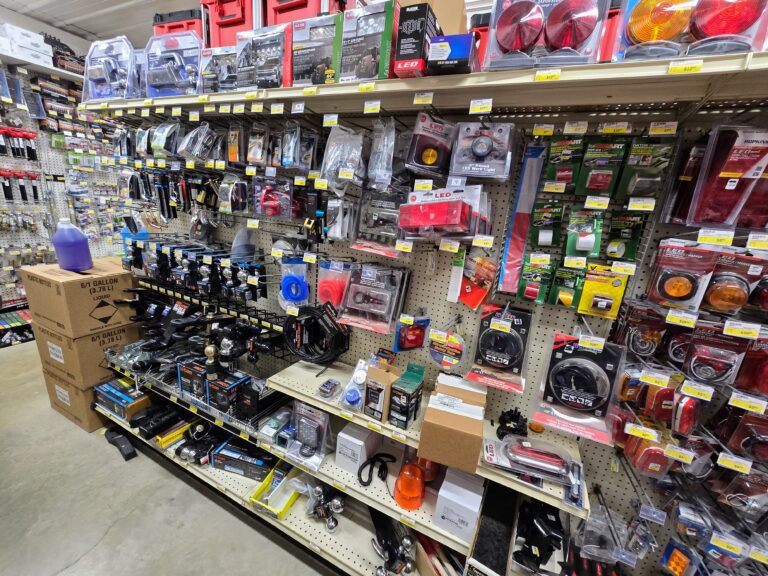

A well-organized farm workshop can make daily maintenance easier, safer, and less time-consuming. It does not need to be large or complicated. Even a modest garage bay, machine shed corner, or outbuilding can become a useful workspace when tools, materials, and safety equipment are arranged with purpose.
The goal is simple: create a place where common repairs can be handled without wasting time searching for supplies or moving unnecessary items out of the way.
Begin With a Clear Work Area
The center of the workshop should remain as open as possible. This area can be used for repairs on equipment parts, tool setup, small construction projects, or routine maintenance.
A sturdy workbench is often the most important feature. Choose a bench that is level, stable, and large enough for the projects typically completed on the property. A bench with lower shelves or drawers can provide storage for commonly used tools and hardware.
Keep the floor clear around the bench. Extension cords, loose parts, spilled fluids, and stored materials can quickly create trip hazards.
Organize Tools by Frequency of Use
One of the easiest ways to improve efficiency is to store tools based on how often they are used.
Frequently used items should be within arm’s reach of the workbench. These may include:
- Adjustable wrenches
- Screwdrivers
- Pliers
- Hammers
- Tape measures
- Utility knives
- Drill bits
- Socket sets
- Work gloves
- Flashlights
Less frequently used tools can be stored on higher shelves, in labeled cabinets, or in portable toolboxes. Wall-mounted pegboards, hooks, and magnetic strips can help keep hand tools visible and easy to return after use.
It is also useful to assign a specific place for each item. When every tool has a home, cleanup becomes faster and missing tools are easier to notice.
Create a Hardware Storage System
Bolts, screws, washers, nails, clamps, and small fittings are essential for farm repairs, but they can become difficult to manage when stored in mixed containers.
Use small, clear bins or a drawer cabinet with labels for common hardware. Organize items by type, size, and purpose. For example, keep wood screws separate from machine bolts, and store washers near compatible bolt sizes.
A basic hardware inventory may include:
- Screws
- Nails
- Bolts
- Nuts
- Washers
- Fence staples
- Anchors
- Zip ties
- Hose clamps
- Brackets
- Hinges
- Gate hardware
Keeping a few extras of common sizes can prevent a repair from being delayed by one missing fastener.
Set Up a Space for Equipment Maintenance
Farm equipment needs regular attention to remain dependable. Dedicate one area of the workshop to oil, fluids, grease, filters, cleaning supplies, and other maintenance products.
Store automotive and equipment fluids in their original containers with labels facing outward. Keep absorbent material, shop towels, funnels, and a spill container nearby for quick cleanup.
A maintenance area may include:
- Lubricants
- Engine oil
- Grease
- Approved fluids
- Battery terminal cleaner
- Tire-pressure gauge
- Portable air compressor
- Jumper cables
- Replacement filters
- Cleaning products
Flammable or hazardous materials should be stored safely away from heat, sparks, direct sunlight, and ignition sources. Follow all label directions and dispose of used fluids responsibly.
Include a Repair Station for Fences and Gates
Fence repairs are a regular part of maintaining farms, acreages, and livestock areas. Creating a small station for fence materials can make these jobs easier to complete.
Keep wire, staples, pliers, replacement hinges, latches, chain, and ratchet straps together in a dry, accessible location. If repairs are often made far from the workshop, a portable fence-repair tote can be especially helpful.
Check fences and gates regularly for damaged posts, sagging wire, broken boards, or loose latches. Taking care of these issues early may reduce the chance of larger repairs later.
Improve Lighting and Electrical Access
Good lighting is essential for safe work. Install or position lighting so that the workbench, shelving, entrances, and storage areas are clearly visible.
Portable work lights can provide additional visibility when working underneath equipment or inside trailers. Keep flashlights and replacement batteries available in case of power outages.
Extension cords should be rated for the intended use and inspected before each project. Replace cords with damaged insulation, exposed wiring, or loose connections. Avoid overloading outlets, and contact a qualified electrician for repairs involving permanent wiring or electrical panels.
Keep Safety Supplies in One Location
Safety items should be easy to locate before work begins. A visible shelf or wall cabinet near the entrance is a practical choice.
Keep the following supplies available:
- Safety glasses
- Hearing protection
- Work gloves
- Dust masks or appropriate respirators
- First-aid kit
- Fire extinguisher
- High-visibility clothing
- Protective footwear
- Emergency contact information
Inspect the first-aid kit and fire extinguisher regularly. Replace expired items and make sure everyone who uses the workshop knows where safety supplies are stored.
Build a Practical Inventory for the Property
A workshop should reflect the actual needs of the property. A livestock operation may require more fencing and gate hardware, while a property with gardens and landscaping may need irrigation fittings, hoses, and seasonal tools.
Review the types of repairs completed during the past year. If the same item is frequently needed, keeping a spare in the workshop can save valuable time.
Property owners in Elma and surrounding communities can find tools, fasteners, plumbing items, electrical essentials, fencing materials, and farm and ranch supplies for everyday maintenance and repair projects.
Make Cleanup Part of Every Project
A workshop stays functional when cleanup is built into the routine. At the end of each project, return tools to their assigned locations, dispose of damaged materials, sweep the work area, and restock any used supplies.
This small habit makes the next repair easier to begin and helps protect tools from damage or loss.
Keep Improving the Space Over Time
An efficient farm workshop does not have to be completed all at once. Start with the essentials: a workbench, basic storage, dependable lighting, safety supplies, and a place for frequently used tools.
Over time, add shelving, labeled storage, specialized equipment, and project-specific materials as needs become clear. A well-planned workspace supports safer repairs, smoother maintenance, and better use of time throughout the year.