
While San Antonio is best known for its long, hot summers, anyone who’s lived here for a few winters knows the chill can sneak up fast. A reliable heating system isn’t just about comfort — it’s about safety, efficiency, and protecting your home from those sudden Texas cold fronts.
Whether you’re building a new home, replacing an outdated furnace, or upgrading to a more energy-efficient system, planning your heater installation, San Antonio style requires a bit of insight. From understanding your options to choosing the right installer, here’s everything you need to know to make a smart, comfortable investment.
Why You Shouldn’t Wait Until It’s Cold
It’s tempting to put off thinking about heating systems when the temperature outside is still in the 80s, but waiting until the first cold front hits can lead to long wait times and rushed decisions.
Scheduling your heater installation ahead of winter has major advantages:
- Better availability: Technicians are less busy, giving you flexible scheduling.
- Time for research: You can compare systems and pricing without pressure.
- Peace of mind: You’ll enter the cooler months confident your system is ready.
- Energy efficiency: Modern heaters use advanced technology that can lower your utility bills year-round.
The earlier you plan, the smoother your installation will go — and the sooner you’ll enjoy reliable comfort when cold weather arrives.
Choosing the Right Heating System for Your Home
Not all heating systems are created equal. The right choice depends on your home’s size, insulation, and energy goals. Here are the most common options San Antonio homeowners consider:
1. Gas Furnaces
Gas furnaces remain a popular choice for their powerful heat output and reliability. They warm homes quickly and operate efficiently when properly maintained.
2. Electric Furnaces
If your home doesn’t have access to natural gas, electric furnaces are a clean and dependable option. They’re easy to install and often less expensive upfront, though they can be costlier to run over time.
3. Heat Pumps
In a mild climate like San Antonio’s, heat pumps offer excellent efficiency. They work as both a heater and air conditioner, transferring heat rather than generating it — saving significant energy.
4. Ductless Mini-Split Systems
Perfect for older homes or additions without existing ductwork, mini-splits allow for customizable temperature zones and high efficiency.
A professional technician can help you determine which system best matches your needs, lifestyle, and budget.
What to Expect During Heater Installation
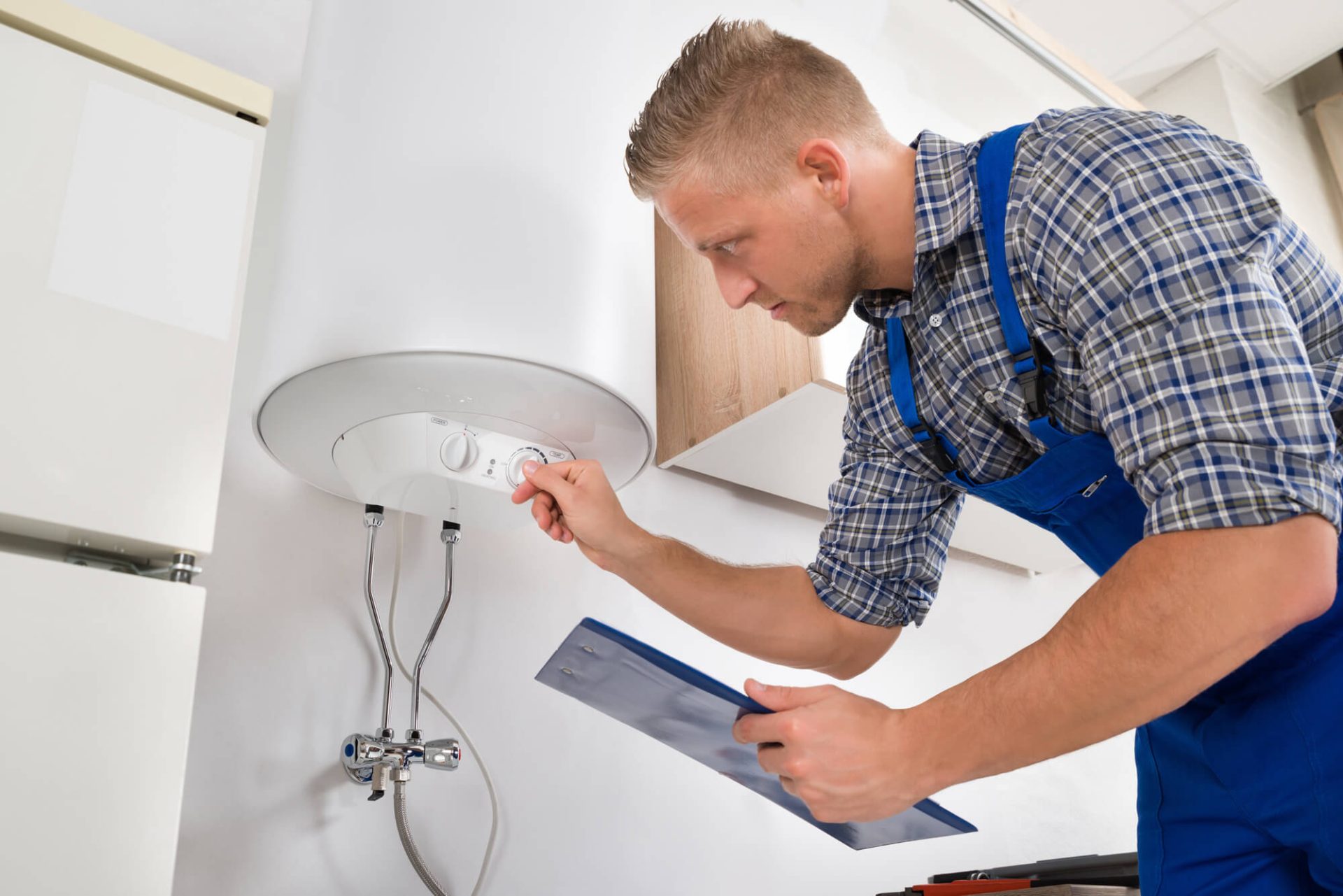
Professional installation ensures your heating system performs safely, efficiently, and according to manufacturer specifications. Here’s what a typical installation process looks like:
- Initial Assessment: The technician evaluates your home’s size, insulation, and ductwork to recommend the best unit.
- System Selection: You’ll choose a system based on efficiency rating (AFUE), energy source, and comfort preferences.
- Preparation and Removal: Old equipment is safely removed, and your installation area is prepped.
- Installation and Testing: The new unit is installed, connected, and tested for proper operation.
- Final Calibration and Education: The technician ensures your thermostat is working correctly and walks you through basic system care.
A quality installation can make a significant difference in how efficiently your system runs and how long it lasts.
Why Professional Installation Matters
While DIY projects are great for some home upgrades, heating system installation should always be handled by licensed professionals. Improper setup can lead to safety hazards, poor airflow, high energy bills, and reduced system lifespan.
When you choose an experienced local team for your heater installation, San Antonio, you’re getting expertise tailored to the area’s climate, building codes, and efficiency standards. Professional installers ensure your system is correctly sized and optimized for performance — and that you’re covered by warranty protections.
Post-Installation Tips: How to Keep Your System Running Smoothly
Once your new heater is installed, a few simple maintenance habits can help maximize performance:
- Change filters regularly: Every 1–3 months, depending on usage.
- Schedule annual tune-ups: Preventive service keeps efficiency high and spots issues early.
- Check thermostat settings: Use programmable thermostats to reduce energy waste.
- Keep vents and ducts clear: Blocked airflow can strain your system and reduce heating effectiveness.
- Monitor your energy bills: Unusual spikes could indicate early signs of trouble.
Proactive care can add years to your system’s life and keep your home comfortable through San Antonio’s unpredictable winter nights.
The Long-Term Value of Energy Efficiency
Modern heaters are designed to deliver more comfort with less energy. When shopping for new systems, look for high-efficiency models with ENERGY STAR® certification. Though the initial investment may be higher, these units can reduce monthly energy costs and increase your home’s resale value.
Plus, local utility companies often offer rebates for upgrading to energy-efficient systems — another reason to plan ahead instead of waiting for an emergency replacement.
Conclusion: Warmth and Peace of Mind for Years to Come
A dependable heating system isn’t just about surviving winter — it’s about creating consistent comfort for your family and protecting your investment in your home. By planning your installation early, choosing the right system, and trusting licensed professionals, you can enjoy efficient warmth and worry-free performance for years to come.
Whether you’re upgrading an old unit or preparing a new home for winter, investing in a high-quality heating system today ensures that the next cold front won’t catch you by surprise