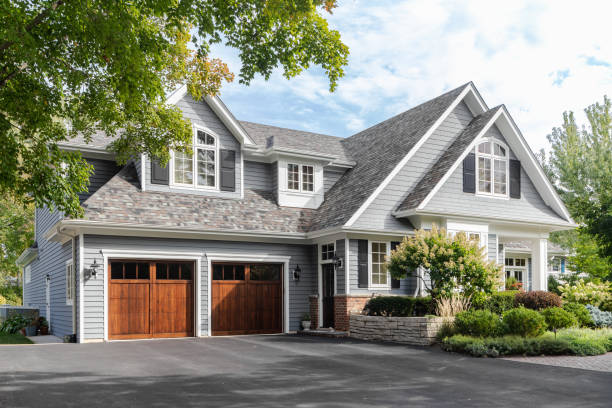

Overview
Car parking is no longer the only use for a home garage; it has developed into a multipurpose room that may be used as a workshop, storage space, hobby area, or even an addition to the house. In addition to protecting your cars, well-designed garages improve your home’s general usability, security, and visual appeal.
The fundamentals of house garage design, such as planning, layout concepts, materials, lighting, storage options, and contemporary trends, will all be covered in this comprehensive guide. This post will give you helpful advice on how to design a garage that precisely fits your needs and lifestyle, whether you’re building a new garage, remodelling an old one, or just trying to make the most of your existing space.
The Significance of Home Garage Design
An attractive garage:
shields your cars against damage, weather, and theft.
offers well-organized storage for seasonal goods, tools, and equipment.
can be used as a hobby area, gym, or workshop.
raises your property’s resale value.
enhances accessibility and safety.
improves your home’s kerb appeal.
Ignoring garage design can result in clutter, wasteful space utilisation, and even damage to your possessions.
Organising the Design of Your Home Garage
1. Establish the Goal
Determine the main purpose of the garage. Typical applications include of:
parking bicycles, motorbikes, or automobiles.
storing equipment and household goods.
workshop for do-it-yourself tasks.
A place for hobbies or recreation.
utility room or laundry.
Making the objective clear aids in determining the necessary features, size, and layout.
2. Garage Dimensions and Design
Single-car garages are usually 20–24 feet deep and 12–16 feet wide.
A two-car garage is around twenty to twenty-four feet deep and twenty to twenty-four feet broad.
Garages with three or more cars have larger footprints and could provide additional space for work or storage.
Give yourself more room to go around cars, open doors, and store things.
3. Location of the Garage
affixed to or separated from the home.
Take into account the driveway’s and the main house’s accessibility.
Consider the setback restrictions and local building codes.
4. Entryways and Doors
There are two garage door options: single and double.
For convenience, take into account automatic openers.
Accessibility is improved by side or rear doors.
windows to let in natural light.
Important Aspects of Home Garage Design
1. Flooring: Garage flooring needs to be long-lasting, hygienic, and impervious to wear and chemicals.
The most popular option is concrete, which is frequently coated or sealed.
Epoxy coatings: Offer a smooth, resilient, and discoloration-proof surface.
Rubber or PVC interlocking tiles are comfortable and low maintenance.
Concrete that has been stained or polished adds flair without compromising on usability.
2. Insulation and Walls
Make use of plywood or drywall that can withstand moisture.
Particularly in linked garages, insulation aids with temperature regulation.
To avoid dampness, think about moisture barriers.
3. The ceiling
Energy efficiency is increased with insulated ceilings.
Plumbing and electrical can be concealed with drop ceilings or drywall.
Add racks or hooks for storage above.
4. Lighting
Good lighting improves usability and safety:
Ambient Lighting: Fluorescent or LED lights above.
Task Lighting: Over certain sections or workbenches.
Motion sensors are convenient and energy-efficient.
Natural Light: Windows or skylights provide brightness to the room.
5. Electrical Outlets and Wiring There are plenty of outlets for appliances, tools, and chargers.
Think about circuits specifically designed for large machinery.
Arrange the wiring for smart gadgets or future additions.
Storage Ideas for a Garage That Is Well-Ordered
1. Storage on the Wall
Tool pegboards.
Hook and shelf slatwall panels.
Small metal tool magnetic strips.
bike racks, ladder racks, and garden tool racks that hang.
2. Shelving and Cabinetry
Hazardous items are kept out of reach using lockable cabinets.
Vertical space is maximised using movable shelf.
Flexibility is made possible via modular pieces.
3. Storage Above Ground
racks installed on the ceiling for large equipment or seasonal goods.
For simple access, use ladders or pulleys.
4. Workbenches are necessary for do-it-yourself tasks and repairs.
Add power access and storage drawers.
5. Customised Storage
racks for tyres.
organisers for sporting goods.
Bins for rubbish and recycling.
Design and Security of Garage Doors
Select insulated doors to regulate the temperature.
Materials: Fibreglass, aluminium, wood, or steel.
Include smartphone-controlled smart garage door openers.
Install motion-activated lighting and security cameras.
Sensors and strengthened locks discourage intruders.
Climate Control and Ventilation
Proper ventilation keeps the air fresh and avoids moisture buildup.
Install vents or exhaust blowers.
Make strategic use of doors and windows to allow for airflow.
For comfort in harsh conditions, think about installing heating or cooling equipment.
Dehumidifiers to stop rust and mould.
Creating Multifunctional Garage Designs
Contemporary garages frequently have several uses:
1. Integration of the Workshop
There are designated areas with plenty of lighting, benches, and tool storage.
systems for extracting dust to keep things clean.
equipment power supply.
2. Exercise Facility
For stress absorption, use rubber flooring.
Weight and workout equipment storage.
Sound systems and mirrors for inspiration.
3. Built-in benches with shoe racks in the laundry or mudroom combo.
connections for washers and dryers.
long-lasting, easily cleaned surfaces.
4. A studio or home office
soundproofing and walls with insulation.
sufficient ventilation and lighting.
cosy tech setup and furnishings.
Aesthetic Factors
An attractive garage adds value and pride, even though practicality is crucial:
Integrate exterior finishes and garage doors with your house.
Make use of colour choices that go well with your home.
Add architectural features such as trimmings, windows, or lantern-style lighting.
For kerb appeal, landscape the area surrounding the garage entry.
Designing a Sustainable Garage
Add environmentally beneficial elements:
Make use of sustainable or repurposed building materials.
Install solar panels to supply electricity for outlets and lights.
Make use of LED lighting and energy-efficient appliances.
Use rainwater collection in your garden.
Typical Errors in Garage Design to Avoid
inadequate room for moving and opening car doors.
Unsafe situations are caused by inadequate lighting.
Moisture and odours are caused by inadequate ventilation.
Clutter is the outcome of inadequate storage.
Temperature extremes are caused by neglected insulation.
not budgeting for present and future electrical requirements.
Advice on Making the Most of Compact Garage Spaces
Make use of vertical storage options.
Choose workbenches that can be folded down.
Make use of labels and containers that are clear.
Keep things that are used often close at hand.
Select furniture that is small and multipurpose.
Intelligent Garage Technologies
remote-access automated garage door openers.
Home automation is connected with security systems.
App-controlled climate control systems.
intelligent lighting that changes according to occupancy.
charging infrastructure for electric cars.
Trends in Garage Design
Minimalist and Clean Lines: More open space, less clutter.
Concrete floors, exposed beams, and metal accents are examples of industrial design.
Vintage décor and wood finishes are examples of rustic touches.
High-Tech Garages: Including the newest intelligent devices.
Eco-friendly materials include low-VOC paints and bamboo flooring.
How to Pick the Ideal Garage Design for Your House Take into Account:
Make sure the garage’s design blends in with the rest of your house.
Lifestyle: Take into account storage requirements, family size, and interests.
Budget: Strike a balance between price and features and materials.
Climate: Consider this while designing ventilation and insulation.
Future Requirements: Make plans for more cars or applications.
In conclusion
Creating the ideal home garage requires combining creativity, style, and functionality. You can make your garage a functional, secure, and aesthetically pleasing area by carefully organising the design, selecting the appropriate materials, making the most of storage, and integrating contemporary technology.
Whether it is used as a workshop, a multipurpose space, or just for parking, a well-designed garage increases the value of your home and enhances daily convenience. Making the effort to customise your garage design to your unique requirements and tastes guarantees that it will be a useful and pleasurable addition to your house.